
Aluminum Composite Panels have become a popular choice in modern architecture and interior design due to their lightweight, durability, and versatility. These panels are made by bonding two thin layers of aluminum to a non-aluminum core, creating a material that is both strong and flexible.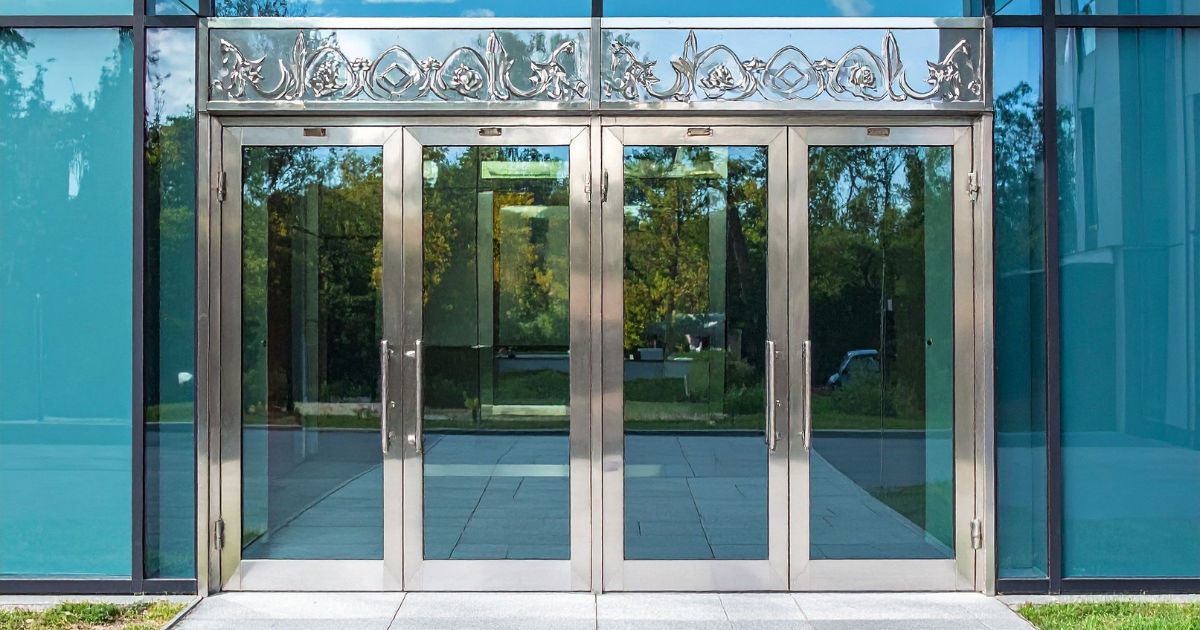
One of the most important aspects of Aluminum Composite Panels is their finishes, which define not only their aesthetic appeal but also their performance in different environments. Choosing the right finish can enhance durability, weather resistance, and visual appeal, making it crucial for architects, builders, and designers.
In this guide, we will explore the various types of finishes available for composite panels, their advantages, common applications, and how to select the best finish for your project.
Understanding Aluminum Composite Panels
Before diving into finishes, it’s important to understand what makes Aluminum Composite Panels special. These panels typically consist of two aluminum sheets surrounding a core made of polyethylene (PE) or fire-resistant materials. This combination offers several advantages:
-
Lightweight: Easier to handle than solid aluminum or other cladding materials.
-
Durable: Resistant to weathering, corrosion, and UV exposure.
-
Flexible: Can be bent, shaped, or curved for creative architectural designs.
-
Cost-effective: Provides high performance at a lower cost compared to solid metal panels.
The finish applied to these panels can significantly impact these properties. It can affect resistance to scratching, fading, and environmental damage while contributing to the overall design aesthetics.
Importance of Finishes for Aluminum Composite Panels
Finishes do more than just make Aluminum Composite Panels look appealing. They serve functional purposes such as:
-
Protection: Shields the aluminum surface from oxidation, corrosion, and weathering.
-
Durability: Enhances the lifespan of panels in harsh environmental conditions.
-
Aesthetics: Offers a wide range of textures, colors, and patterns to suit design needs.
-
Maintenance: Certain finishes make panels easier to clean and maintain.
Choosing the right finish is essential for both interior and exterior applications. For example, panels used in high-rise buildings need weather-resistant finishes, while those in interior settings can focus more on color, texture, and reflectivity.
Powder Coating Finish
Powder coating is one of the most widely used finishes for Aluminum Composite Panels. It involves applying a dry powder to the aluminum surface and then curing it under heat to form a durable, protective layer.
Advantages of Powder Coating
-
Durability: Highly resistant to scratching, chipping, and fading.
-
Weather Resistance: Can withstand harsh sunlight, rain, and humidity.
-
Variety of Colors: Available in thousands of shades and finishes, including matte, glossy, and satin.
-
Eco-Friendly: Does not release harmful solvents during application.
Applications
Powder-coated Aluminum Composite Panels are commonly used in building facades, signage, and interior wall cladding. The finish ensures panels maintain their vibrant colors and structural integrity over time.
PVDF (Polyvinylidene Fluoride) Finish
PVDF finish is another premium coating often used for Aluminum Composite Panels. It involves applying a liquid paint containing PVDF resin, which is then baked to create a strong, weather-resistant surface.
Advantages of PVDF Finish
-
UV Resistance: Maintains color and gloss even under prolonged sun exposure.
-
Chemical Resistance: Withstands pollutants and industrial chemicals.
-
Long-Lasting: Can retain its appearance for 20 years or more.
-
Easy Maintenance: Smooth surface prevents dust and dirt accumulation.
Applications
PVDF-coated panels are ideal for commercial buildings, airports, shopping malls, and skyscrapers, where long-term aesthetics and resistance to environmental factors are crucial.
High-Gloss Finish
High-gloss finishes provide a reflective, shiny surface on Aluminum Composite Panels. This finish is achieved through advanced coating techniques, often combined with PVDF or polyester paints.
Advantages of High-Gloss Finish
-
Visual Impact: Offers a sleek, modern look suitable for contemporary architecture.
-
Easy Cleaning: Smooth surface makes maintenance simpler.
-
Light Reflection: Can make spaces appear brighter and larger.
Applications
High-gloss Aluminum Composite Panels are frequently used for corporate buildings, retail stores, and decorative interior applications where visual appeal is a priority.
Wood Grain Finish
For projects aiming for a natural aesthetic, wood grain finishes are a popular choice. These panels mimic the appearance of real wood while retaining the durability of aluminum.
Advantages of Wood Grain Finish
-
Natural Look: Provides the warmth and texture of wood without the maintenance issues.
-
Durable: Resistant to moisture, termites, and decay unlike real wood.
-
Versatile: Available in various wood textures and shades.
Applications
Wood grain Aluminum Composite Panels are ideal for residential exteriors, interior walls, and furniture design where a combination of elegance and low maintenance is required.
Metallic and Anodized Finishes
Metallic and anodized finishes provide a metal-like appearance with added protective properties. Anodizing involves electrochemically treating the aluminum surface to create a durable oxide layer.
Advantages of Metallic and Anodized Finishes
-
Durable: Resistant to corrosion and wear.
-
Enhanced Appearance: Offers a modern, industrial look.
-
UV Resistance: Prevents fading in outdoor applications.
-
Low Maintenance: Requires minimal cleaning.
Applications
These finishes are commonly used for building facades, decorative panels, and signage where a sleek metallic look is desired.
Matte and Satin Finishes
Matte and satin finishes offer a subtle, understated look compared to high-gloss panels. They reduce glare and provide a soft visual effect.
Advantages of Matte and Satin Finishes
-
Modern Appeal: Complements contemporary architectural designs.
-
Low Glare: Ideal for outdoor applications where sunlight reflection can be an issue.
-
Scratch Resistance: Hides minor scratches better than glossy finishes.
Applications
Matte and satin Aluminum Composite Panels are used in office buildings, hospitals, schools, and residential complexes. Their low-glare properties make them suitable for areas with heavy foot traffic or large window exposure.
Textured and 3D Finishes
Textured and 3D finishes add depth and dimension to Aluminum Composite Panels, creating a unique visual effect. Techniques include embossing, sandblasting, or coating with textured paints.
Advantages of Textured and 3D Finishes
-
Aesthetic Versatility: Creates a distinct design element in architecture.
-
Camouflage Scratches: Hides minor surface imperfections.
-
Customization: Can replicate stone, fabric, or abstract patterns.
Applications
Textured and 3D finishes are widely used in modern commercial spaces, hotels, retail shops, and feature walls where design uniqueness is essential.
Special Effect Finishes
For designers looking for extraordinary visual effects, special finishes like mirror, glitter, or metallic flakes are available. These finishes provide artistic appeal and can be customized according to the project.
Advantages of Special Effect Finishes
-
Unique Look: Creates a standout feature in architectural design.
-
Creative Freedom: Allows for custom patterns and designs.
-
Enhanced Appeal: Often used to attract attention or highlight brand identity.
Applications
Special effect Aluminum Composite Panels are commonly used for retail façades, exhibition booths, signage, and luxury interiors.
Considerations When Choosing a Finish
Selecting the right finish for Aluminum Composite Panels depends on several factors:
-
Location: Outdoor panels require weather-resistant finishes like PVDF, while indoor panels can use gloss or textured finishes.
-
Durability: Consider resistance to UV rays, corrosion, and scratches.
-
Aesthetic Needs: Choose a finish that complements the building design and color scheme.
-
Maintenance: Evaluate ease of cleaning and long-term upkeep.
-
Budget: Premium finishes like PVDF and metallic coatings are costlier than polyester or powder coatings.
Understanding the purpose and environment of your project ensures the chosen finish will provide both beauty and longevity.
Conclusion
Aluminum Composite Panels are versatile, durable, and aesthetically appealing materials used in modern architecture and design. The finish of these panels plays a critical role in their performance, appearance, and maintenance. From powder coating to PVDF, high-gloss to wood grain, metallic to textured finishes, each option provides unique benefits tailored to different needs.
Choosing the right finish involves balancing aesthetics, durability, maintenance requirements, and budget. By understanding the types of finishes available, architects, builders, and designers can make informed decisions that enhance the longevity and visual appeal of Aluminum Composite Panels. Whether you aim for a sleek modern look, a natural wood effect, or a bold metallic statement, the right finish can transform your project from ordinary to extraordinary.
Aluminum Composite Panels are not just cladding materials—they are design tools. With the right finish, they can bring creativity, functionality, and durability together in one seamless solution, making them a preferred choice in contemporary architecture worldwide.