
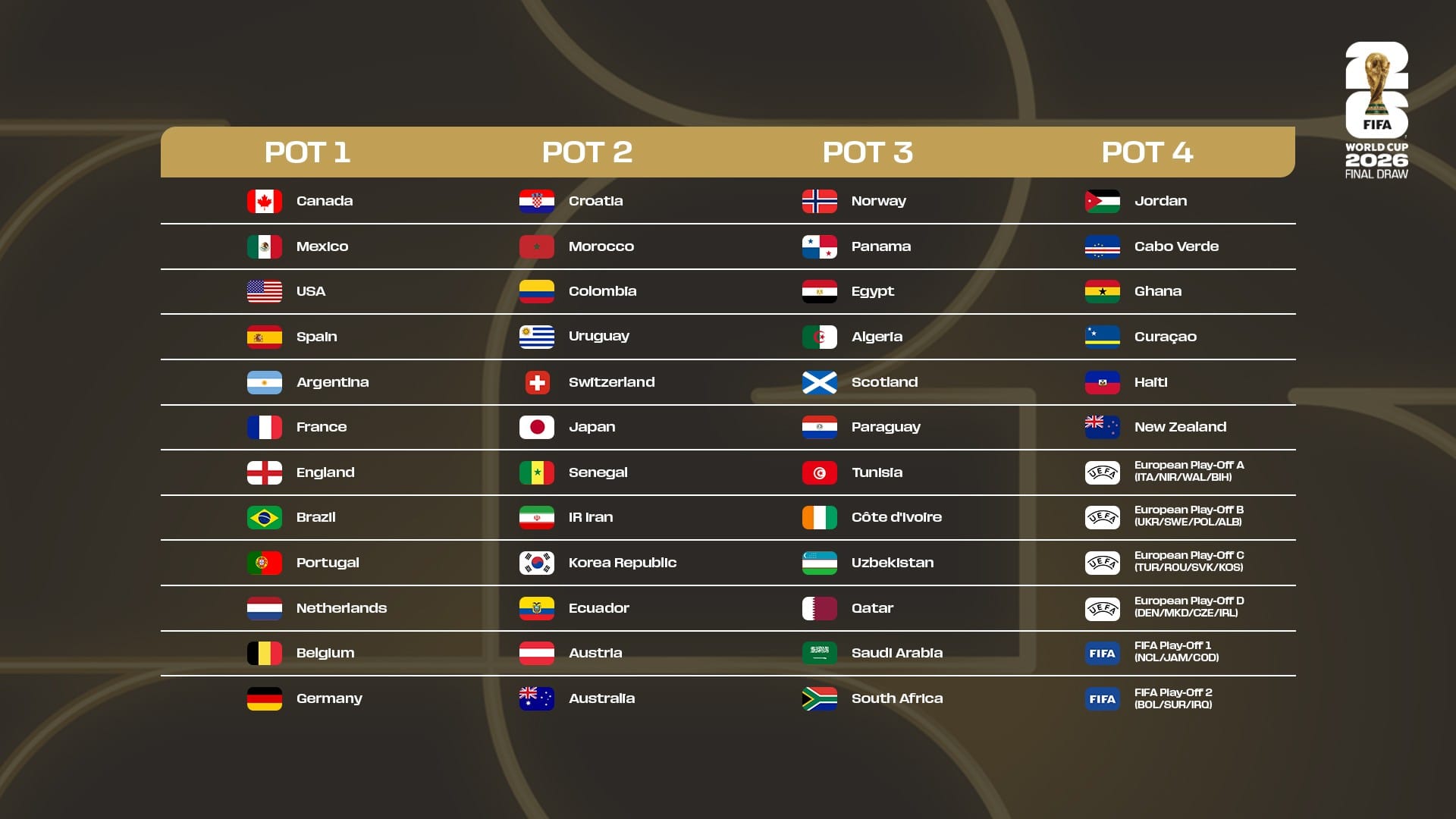
A complete tournament forecast starts with the right tool. The best World Cup 2026 prediction tool combines match probability data with an interactive bracket so you can build a full prediction from the group stage all the way to the Final in one place.
The 2026 tournament is too large and too complex to predict accurately without a dedicated tool. Twelve groups, 104 matches and a new Round of 32 bracket structure all require automatic calculations that would take hours to do by hand. A good prediction tool does that work for you.
Features That Make a Prediction Tool Worth Using
Probability percentages alongside each predicted result add real value. A match shown as 58-42 in favor of the favorite tells you something a simple pick-a-winner interface cannot. You know the result is genuinely competitive and that the upset is a real possibility.
A tool that updates in real time during the actual tournament becomes especially useful from Matchday 1 onward. Each confirmed result locks in and the remaining probability calculations update automatically. You can see at a glance how your pre-tournament predictions are holding up and which remaining matches matter most to your overall bracket.
Multi-group viewing is important for the 2026 format. A tool that shows all 12 group tables on one screen lets you check tiebreaker implications across the full field simultaneously. Scrolling between individual groups slows down the prediction process considerably.
How to Get the Most Accurate Forecast
Run the tool twice. The first run uses your gut instincts on every match. The second run uses the probability data provided by the tool to inform your picks, especially in the matches you felt least confident about.
Getting More Out of Multiple Simulation Runs
Running the simulator more than once reveals how much the 2026 World Cup bracket depends on specific results going certain ways. A single simulation run produces one plausible outcome. Five or ten runs show the range of outcomes that exist within reasonable prediction parameters. Track how often your predicted champion reaches the Final across multiple runs. If they reach the Final in eight out of ten simulations, that is a high-confidence pick. If they reach it in three out of ten, the prediction is more speculative.
The most useful simulation exercise is the stress test. Take your champion pick and deliberately enter the most difficult possible opponents in each knockout round. If your predicted champion still wins against tougher opposition across multiple simulation runs, the prediction is robust. If the champion only wins the easy bracket draw, the prediction is fragile and should be reconsidered before you lock it in.
Compare the two brackets. Where they differ significantly you have a decision to make. Your gut and the data disagree on those matches. Research those specific matchups further before finalizing your prediction. That research process is where your actual tournament knowledge deepens the most.