
Female cloths are more than just a way to cover the body or stay warm; they hold a deep and meaningful place in culture, society, and personal identity. From ancient times to the present day, female cloths have reflected traditions, social norms, beliefs, and personal values.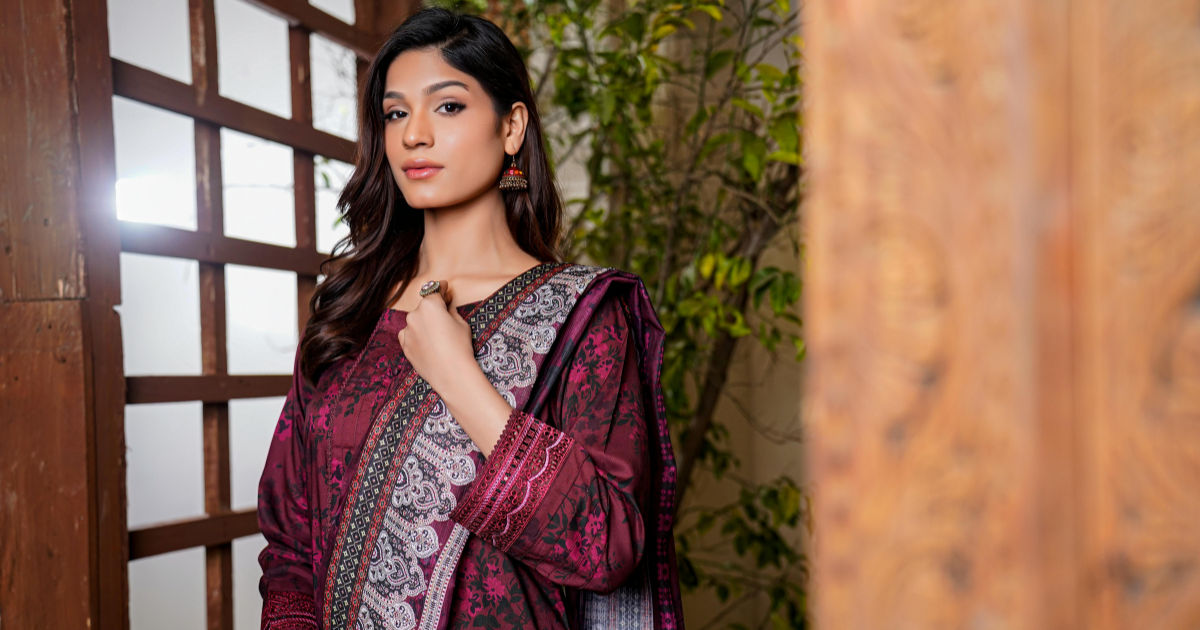
Understanding the traditional importance of female cloths allows us to appreciate how clothing has shaped and continues to shape women's lives in various parts of the world.
In this guide, we will explore the historical, cultural, social, and personal significance of female cloths, as well as how traditions influence contemporary fashion choices. By the end, you will have a comprehensive understanding of why female cloths are not only practical but also profoundly symbolic.
Historical Significance of Female Cloths
Early History of Female Clothing
Female cloths have existed since ancient civilizations. In early societies, clothing was primarily functional, designed to protect women from the environment. However, even in prehistoric times, women’s garments often indicated social status and role. For instance, in Ancient Egypt, linen dresses were common, but the quality and decoration of the cloth often reflected a woman’s position in society.
In many cultures, female cloths were also used in religious and ceremonial contexts. Women wore specific garments for rituals, ceremonies, or festivals, showing that clothing was tied to tradition and spirituality. These early practices laid the foundation for the traditional importance of female cloths, connecting attire with identity and cultural values.
Female Cloths in Different Civilizations
Different civilizations had unique approaches to female cloths:
-
Ancient Greece and Rome: Women wore tunics, stolas, and other flowing garments that reflected elegance, status, and modesty. The fabrics and colors often conveyed wealth and social rank.
-
South Asia: Traditional female cloths like sarees and lehengas have been worn for centuries. The choice of fabric, embroidery, and style often signified a woman’s social background and regional heritage.
-
East Asia: In China, women wore hanfu, while in Japan, kimonos were common. These garments were highly symbolic, representing marital status, age, and family heritage.
By examining history, we see that female cloths have never been purely functional—they have always carried symbolic meaning.
Cultural Significance of Female Cloths
Clothing as a Cultural Identity
Female cloths often serve as a marker of cultural identity. Traditional garments distinguish communities, regions, and nations. For example, in Pakistan, women may wear shalwar kameez, while in Scotland, traditional dress includes the kilt (though mostly for men, women have tartan skirts). Each piece of clothing tells a story about history, beliefs, and cultural pride.
The cultural significance of female cloths extends beyond the garment itself. Patterns, embroidery, colors, and styles all reflect local traditions and craftsmanship. Women’s traditional attire often involves intricate handiwork that has been passed down through generations, preserving cultural heritage.
Festivals and Rituals
Many festivals and rituals around the world involve traditional female cloths. Women wear specific garments during weddings, religious ceremonies, and other important celebrations. For instance:
-
In India, brides wear heavily embroidered red sarees or lehengas for weddings, symbolizing prosperity and fertility.
-
During Ramadan and Eid, women wear modest and elegant female cloths to express devotion and respect.
-
In Japan, women wear kimonos during traditional ceremonies like tea rituals or coming-of-age celebrations.
These practices emphasize that female cloths are not just fashion—they are integral to cultural expression.
Social Importance of Female Cloths
Status and Social Hierarchy
In many societies, female cloths signify social status. High-quality fabrics, elaborate designs, and expensive embroidery often indicate wealth and power. In historical contexts, sumptuary laws even regulated who could wear certain types of clothing, emphasizing the link between attire and social rank.
For women, traditional cloths could communicate family background, profession, or marital status. The ability to wear specific female cloths often reflected not just personal taste, but also adherence to social norms and traditions.
Female Cloths and Modesty
Modesty has been a significant factor in the traditional importance of female cloths. Many cultures have specific guidelines about how women should dress to maintain dignity and respect. For example:
-
In Middle Eastern cultures, women often wear abayas or hijabs to cover themselves, showing modesty and adherence to cultural and religious norms.
-
In South Asia, sarees and long tunics are worn in ways that maintain grace and elegance while respecting social expectations.
Through these practices, female cloths serve as tools for women to navigate social norms and uphold cultural values.
Religious Influence on Female Cloths
Religion has deeply shaped the traditional importance of female cloths. Different faiths prescribe clothing rules that influence how women dress:
-
Islam: Female cloths like hijabs, niqabs, and abayas help women maintain modesty in line with Islamic teachings.
-
Christianity: In certain communities, women wear veils or long dresses during religious ceremonies, reflecting humility and reverence.
-
Hinduism: Traditional female cloths, like sarees, are worn with specific draping styles that hold religious significance during rituals and festivals.
Religion connects female cloths with spirituality, identity, and social expectations. Wearing traditional clothing often becomes a way for women to express faith and participate in religious life.
Traditional Female Cloths Around the World
South Asia
In South Asia, traditional female cloths include sarees, lehengas, and salwar kameez. These garments are often made of silk, cotton, or chiffon and are adorned with embroidery, sequins, or beads. Each state or region has its own style, colors, and draping techniques.
For example, a Banarasi saree from Varanasi is known for its gold threads and intricate designs, making it a symbol of wealth and tradition. Similarly, Punjabi suits feature bright colors and mirror work, reflecting regional aesthetics.
East Asia
East Asian traditional female cloths are equally significant. In China, the qipao or cheongsam became a symbol of elegance and femininity. In Japan, kimonos are worn for formal events and are carefully coordinated with seasonal colors and patterns.
These garments showcase local art, cultural symbolism, and traditional craftsmanship. Each piece is carefully designed to tell a story about identity, family, and societal values.
Middle East
In Middle Eastern cultures, female cloths like abayas, kaftans, and hijabs serve both modesty and style. Embroidery, patterns, and fabric choices convey social status and personal taste. Special occasions often call for elaborately decorated female cloths that reflect cultural pride and religious adherence.
Africa
African female cloths are vibrant and symbolic. Kente cloth from Ghana, Ankara fabrics from Nigeria, and Maasai dresses from Kenya showcase colors, patterns, and weaving techniques that carry deep cultural meanings. These cloths often indicate tribe, marital status, and social hierarchy.
Materials and Craftsmanship
Traditional Fabrics
The materials used in female cloths contribute significantly to their traditional importance. Common fabrics include silk, cotton, wool, linen, and jute. Each fabric has unique qualities suited to climate, comfort, and ceremonial needs. For example, silk is often reserved for special occasions due to its luxurious feel and high cost.
Handwork and Embroidery
Embroidery, beadwork, and weaving play a central role in traditional female cloths. Skilled artisans spend hours crafting intricate patterns that reflect cultural heritage. Techniques like zari work, batik printing, and lace-making make each garment a piece of art.
Investing in handcrafted female cloths is often seen as a way of preserving culture and supporting traditional skills that have been passed down through generations.
Female Cloths and Modern Society
Blending Tradition with Modern Fashion
While modern fashion emphasizes convenience and trends, traditional female cloths continue to inspire contemporary designs. Many designers incorporate traditional fabrics, embroidery, or draping techniques into modern outfits. This blend allows women to honor heritage while staying stylish in today’s world.
Preserving Cultural Heritage
Wearing traditional female cloths in modern settings helps preserve cultural identity. Women attending festivals, weddings, or family events often choose traditional garments to maintain a connection with their roots. This practice ensures that the knowledge, craftsmanship, and symbolism of female cloths are passed to future generations.
Female Cloths as Empowerment
For many women, wearing traditional cloths is a form of empowerment. It allows them to express identity, assert pride in culture, and maintain a sense of self-respect. Through traditional attire, women navigate societal expectations while celebrating individuality.
Conclusion
The traditional importance of female cloths goes far beyond mere fabric or fashion. Female cloths represent history, culture, religion, social values, and personal identity. From early civilizations to modern times, they have served as symbols of status, modesty, and heritage.
Across the world, from South Asia to East Asia, the Middle East, and Africa, female cloths continue to reflect the rich tapestry of human culture. The craftsmanship, materials, and intricate designs showcase the dedication and artistry of generations of women.
In modern society, traditional female cloths remain relevant. They bridge the gap between past and present, allowing women to honor their heritage while embracing contemporary life. Wearing traditional attire is a celebration of culture, identity, and personal pride, ensuring that the symbolic and practical importance of female cloths endures for generations to come.
Female cloths are not just garments—they are stories, values, and traditions woven into every thread. Recognizing their traditional importance helps us appreciate the depth of meaning behind what women wear and encourages the preservation of cultural heritage in a rapidly changing world.